Diamond Shapes Explained: Choosing the Right Cut for Your Engagement Ring
Choosing a diamond shape is the first big decision in any engagement ring — and often the one couples agonise over most. It sets the personality of the whole ring, influences how large the diamond looks, and quietly affects what you'll pay. The good news: once you understand what separates one shape from another, the right choice usually becomes obvious. This guide walks through every popular diamond shape, who each one suits, and how to narrow the field for the person you're buying for here in Adelaide.
First, a quick clarification: shape is not the same as cut
People use "cut" and "shape" interchangeably, but they mean different things. Shape is the outline of the diamond — round, oval, emerald, and so on. Cut (or cut grade) describes how well the stone has been faceted: its proportions, symmetry and polish, which together determine how much it sparkles. A poorly cut diamond will look dull in any shape, so once you've settled on a shape, cut quality is the thing worth protecting in your budget. If you'd like a refresher on cut, colour, clarity and carat, our Adelaide engagement ring buying guide covers the fundamentals, and you can read about independent grading on our GIA diamond certification page.
The most popular diamond shapes — and who each one suits
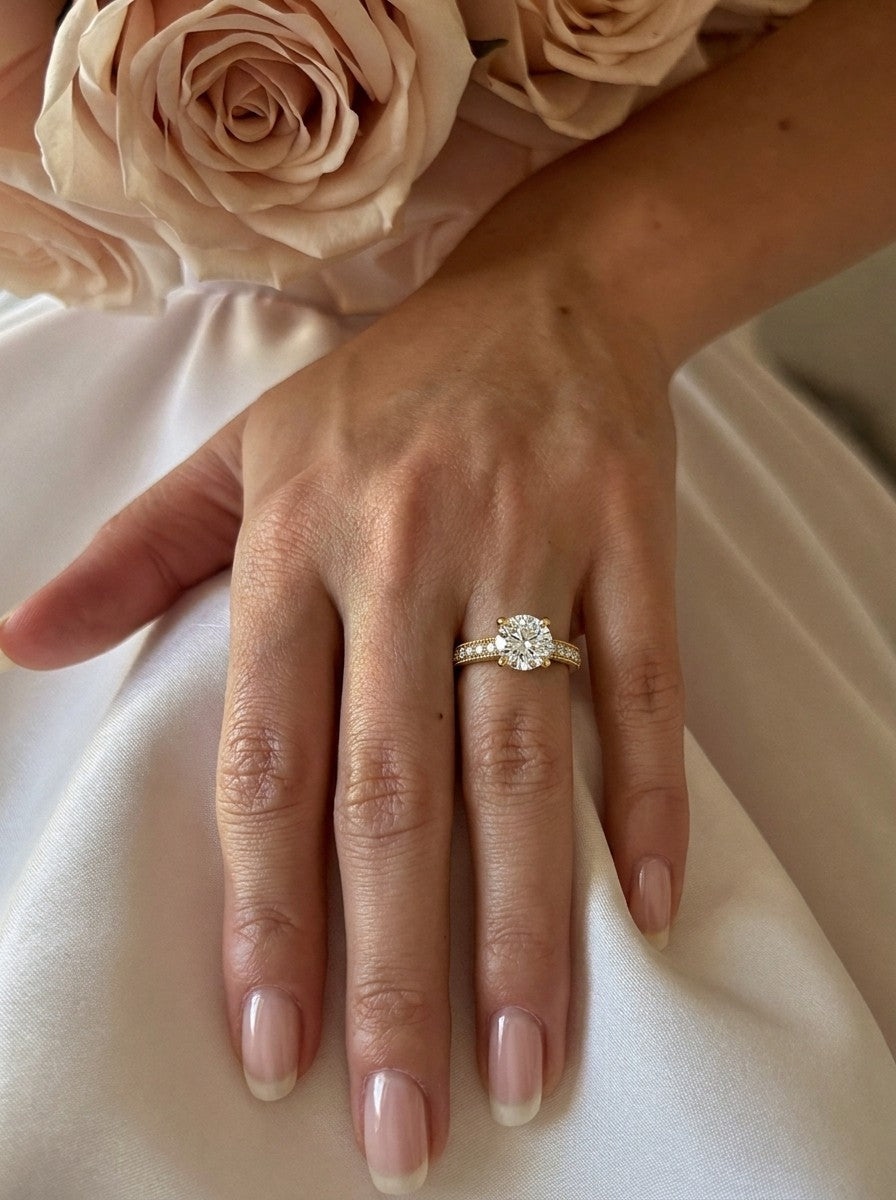
Round brilliant
The round brilliant is the most popular shape worldwide, and for good reason. Its 57–58 facets are engineered to return the maximum amount of light, which makes it the sparkliest shape available and the most forgiving when it comes to hiding small inclusions or slight colour. It's a timeless, classic choice that never looks dated. The trade-off is price: round brilliants command a premium per carat because they're in the highest demand and more rough diamond is lost in the cutting process. If sparkle and tradition matter most, this is your shape. Browse our round brilliant engagement rings.
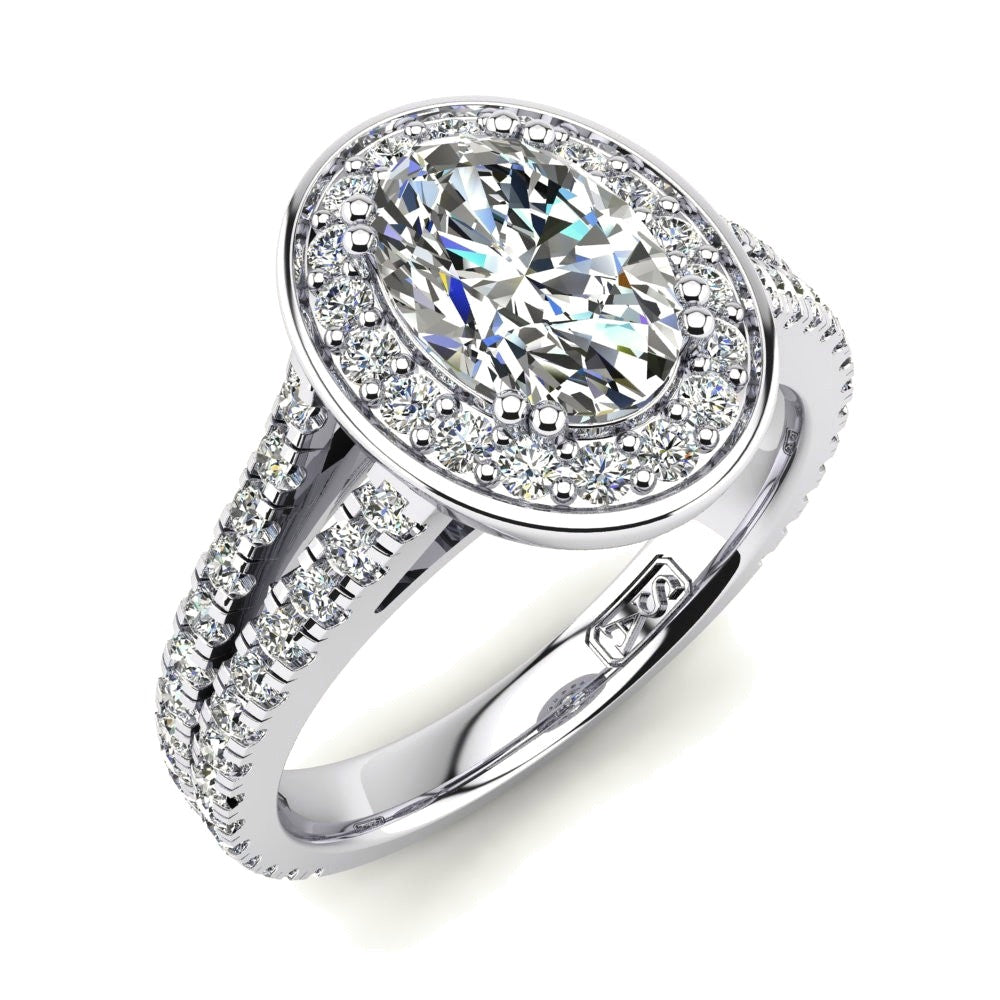
Oval
Ovals have surged in popularity over recent years and remain a favourite among couples we see in the boutique. An oval is essentially an elongated round brilliant, so it carries much of the same fire and sparkle — but its stretched outline makes it look larger than a round of the same carat weight, and it flatters the finger by making it appear longer and more slender. It's a brilliant choice for someone who wants a bit of individuality without straying far from classic sparkle. Explore oval cut engagement rings.
Cushion
The cushion cut blends a square or rectangular outline with softly rounded corners — like a little pillow, which is where the name comes from. It has a romantic, slightly vintage character and a warm, glowing sparkle rather than the sharp flash of a round. Cushions pair beautifully with halo settings and suit anyone drawn to a softer, antique-inspired look. See our cushion cut engagement rings.
Emerald
The emerald cut is a "step cut" — long, parallel facets that create a hall-of-mirrors effect rather than crushed-ice sparkle. It reads as elegant, understated and sophisticated, and its long lines flatter the hand. Two things to know: because the facets are so open, an emerald cut shows clarity and colour more honestly than a brilliant cut, so it's worth choosing a cleaner, whiter stone. It also tends to be more affordable per carat than a round. Ideal for someone with refined, minimalist taste. View emerald cut engagement rings.
Princess
The princess cut is the most popular square shape — a brilliant-faceted square with sharp, contemporary corners and plenty of sparkle. It offers a modern alternative to the round at a generally lower price point per carat, and it sits well in clean, geometric settings. Worth noting: the pointed corners can be vulnerable to chipping, so a setting that protects them is a smart pairing. Browse princess cut engagement rings.
Radiant
A radiant cut takes the rectangular outline of an emerald cut but applies brilliant faceting and trims the corners — giving you the elegant shape of an emerald with the sparkle of a round. The cropped corners also make it more durable than a princess. It's a versatile, eye-catching choice that bridges classic and modern.
Pear
The pear (or teardrop) combines a rounded end with a single point, blending the brilliance of a round with the elongating effect of a marquise. It's distinctive and elegant, and like the oval it looks larger than its carat weight suggests while slimming the finger. Worn with the point towards the fingertip, it creates a lovely lengthening line. A great pick for someone who wants something a little different but still soft and feminine. Explore pear cut engagement rings.
Marquise
The marquise is a football-shaped stone with two pointed ends, and it's the shape that delivers the most apparent size for its carat weight — its long, narrow outline covers more of the finger than almost any other cut. It has a regal, vintage flair and makes a striking statement. As with the pear, the points need a setting that protects them. Ideal for someone who wants maximum presence and a touch of drama.
Other shapes: Asscher, heart and more
Beyond the eight shapes above, you'll also come across the Asscher (a square step cut with a vintage, geometric feel) and the heart (romantic and unmistakable, best at larger carat weights so the shape reads clearly). We don't keep every shape in a ready-made collection, but as a bespoke jeweller we can source and set virtually any shape you have your heart on — just ask.
How shape affects price
Two diamonds of identical carat weight, colour and clarity can carry very different prices depending purely on shape. Round brilliants are the most expensive per carat because demand is highest and more of the rough stone is sacrificed to achieve their proportions. Shapes such as oval, pear, marquise, emerald, cushion and princess generally cost less per carat — sometimes meaningfully so — which is one reason many couples choose them to stretch their budget further or step up in size. Choosing lab-grown over natural changes the maths again: lab-grown diamonds typically cost a fraction of a comparable natural stone, in any shape. You can compare options in our lab-grown engagement ring collection.
How shape affects perceived size
Carat weight measures mass, not how big a diamond looks face-up. Elongated shapes — oval, pear, marquise and emerald — have a larger surface area on top, so they appear bigger than a round or princess of the same weight. If maximising visual size is a priority, an elongated shape is the savviest way to get there without paying for extra carats.
Matching shape to hand and personality
There are no hard rules here, only flattering tendencies. Elongated shapes (oval, pear, marquise, emerald) lengthen and slim the finger, which is why they're often recommended for shorter fingers or smaller hands. Round and cushion cuts suit almost everyone and read as classic. Square shapes like princess and Asscher feel modern and architectural. Ultimately the best shape is the one that matches the wearer's personality — note whether they gravitate towards classic or contemporary, bold or understated, vintage or minimalist. That instinct is usually a better guide than any chart.
Shape and setting work together
A diamond's shape and its setting are a partnership. A solitaire lets a round or oval speak for itself; a halo adds sparkle and apparent size around a cushion or oval; a three-stone design frames a centre stone with complementary side diamonds; and pointed shapes like the pear, marquise and princess benefit from settings that shield their tips. Because every ring we make is built around your chosen stone, the setting can be tailored to protect and flatter the exact shape you pick. Have a look at our engagement ring settings for inspiration.
Still not sure? That's exactly what a consultation is for
Photos and guides only get you so far — diamonds look completely different in person, and the moment a particular shape is on the hand, the decision tends to make itself. As a bespoke Adelaide jeweller, we'll sit down with you, show you a range of shapes side by side, talk through budget honestly, and design a ring around the stone you fall for — whether that's a classic round, a trending oval, or something more unexpected.
Book a private consultation with Simon Alexander and we'll help you find the shape — and the ring — that's unmistakably theirs.